
Energy Accounts
Energy Accounts provide information on the supply and use of energy products by households, enterprises and institutions resident in Austria. They follow the residence principle of the System of National Accounts (SNA), thereby recording energy use by Austrian economic units regardless of the country in which the consumption takes place. In contrast, Energy Balances are based on the territory principle and reflect all energy flows occurring within the Austrian territory, irrespective of the user of the energy.
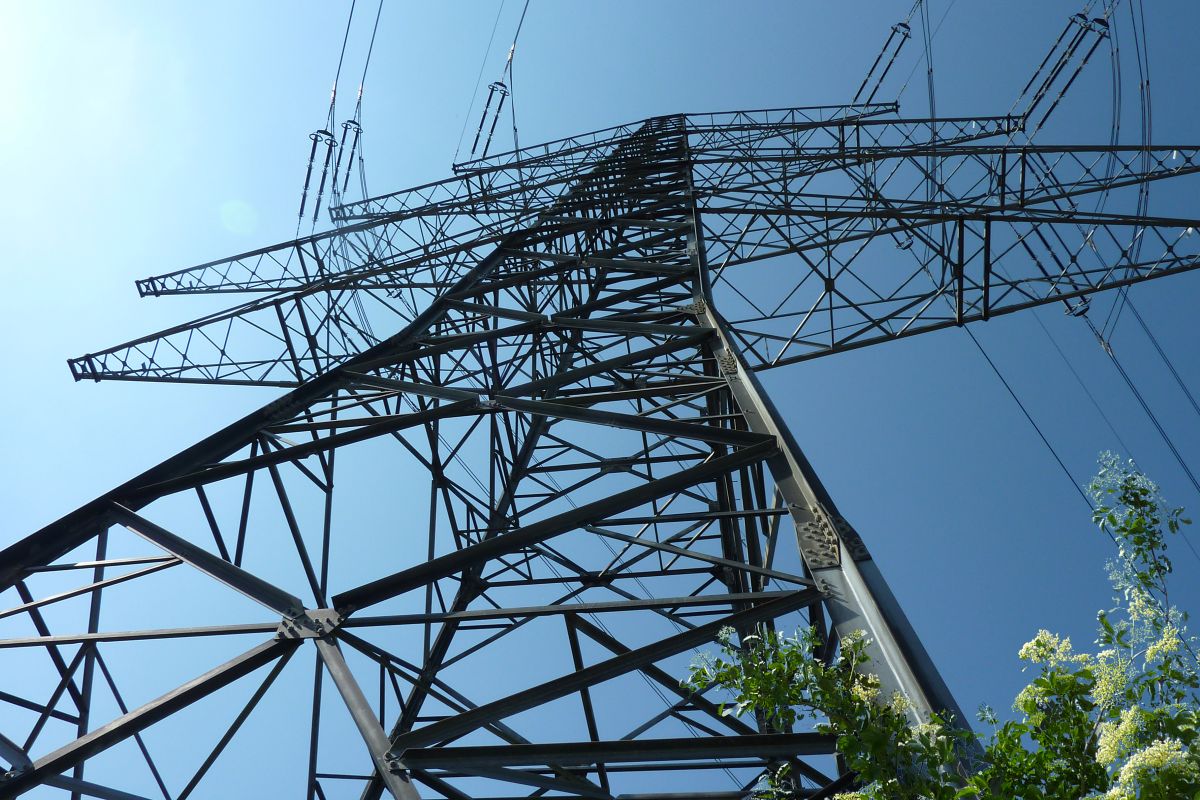
On the supply side, Energy Accounts record domestic energy production and imports of energy products. On the use side, they cover intermediate consumption by economic sectors, non-energy use of energy products, energy losses, changes in inventories, exports, and household energy consumption. By applying the concepts and classifications of the national accounts, Energy Accounts provide a consistent framework for linking economic and energy-related information.

Energy Accounts also form the basis for the Physical Energy Flow Accounts (PEFA). This internationally standardised accounting framework is an integral part of the European Environmental Economic Accounts (EEA) and enables the integrated analysis of energy use, economic activity, and climate- and environmental-policy issues. PEFA complements conventional energy statistics and energy balances by providing a national accounting perspective, thereby supporting policy analysis and international comparability.